
I have an insatiable curiosity about the generations before us. I want to know what it was like for them to travel across the country--to settle in a new place--and what their personalities were. I have worked on geneology for several years. It is a never-ending task because children grow up, marry, have children of their own, and the older generation dies.
In writing of the history of Peru, I talk to a lot of people about their grandparents and great grandparents to see if they were among the early settlers that helped form this community. I started with my classmates, the class of '59, to see how many settled in the early years of the town of Peru.
I have been quite surprised at what I am finding. James Sharp settled in Washington township in the 1840's --his descendent Becky Dawalt Powell. Samuel Phillabaum settled in Erie township. One of the early schools was built on his land--descendent Nancy Phillabaum McConnaughey. Michael Costin was known for his ability to move just about anything--his descendent Mary Costin. Della Donaldson McKee and Diana Donaldson's grandfather Fletcher was a blacksmith and their other grandfather Oscar Donaldson worked on one of the many railroads that came through Peru and also had a farm on 31 that no longer exists. My great-grandfather owned a flour mill that set on Bayless Street. I will keep searching !!
Saturday, December 16, 2006


Thursday, December 14, 2006
Washington Township
It would seem that the organizers of the township were very patriotic, giving the township the name of Washington.
From early records Thomas Hinton was the first white man to make permanent settlement in the township. He located in 1838, on what is now the Demuth farm. Hinton was a bold, energetic young man. He soon erected a rude log cabin, in which he lodged, drawing largely upon the wild game with which the forests abounded for his food. Some years later he resigned the life of bachelor and married. In 1839, immigration came to the township, bringing a number of stalwart fearless men. The first church in the township was built on the farm of Mr. Crider, in 1857, by the United Brethren and known as "Crider Chapel". Another was built about the same time by the Presbyterians on the White farm known as "New Hope Church". The first school of the township was taught in the small cabin that had been built for a dwelling on the land of John Allen in the winter of 1842-43. The fall of 1843, a small round log school house was built on the farm of Patrick Colgan. The same year, a small "buckeye"cabin for school purposes was built on the on the farm of Peter Wickler. The township has grown considerably since the early days of the pioneers.
From early records Thomas Hinton was the first white man to make permanent settlement in the township. He located in 1838, on what is now the Demuth farm. Hinton was a bold, energetic young man. He soon erected a rude log cabin, in which he lodged, drawing largely upon the wild game with which the forests abounded for his food. Some years later he resigned the life of bachelor and married. In 1839, immigration came to the township, bringing a number of stalwart fearless men. The first church in the township was built on the farm of Mr. Crider, in 1857, by the United Brethren and known as "Crider Chapel". Another was built about the same time by the Presbyterians on the White farm known as "New Hope Church". The first school of the township was taught in the small cabin that had been built for a dwelling on the land of John Allen in the winter of 1842-43. The fall of 1843, a small round log school house was built on the farm of Patrick Colgan. The same year, a small "buckeye"cabin for school purposes was built on the on the farm of Peter Wickler. The township has grown considerably since the early days of the pioneers.
Tuesday, December 12, 2006
Iliff Grocery


Another in our series of "mom & pop" grocery stores--Iliff Grocery was located at the corner of East 6th St.and Water St. The owner was Paul Iliff, of 267 East Eighth Street who became a Peru Policeman at the age of 30. In the late 1930's Paul bought a little pup for his daughter Patricia to play with. It nipped her while playing in the store, so she picked the pup up and gave him a good hard bite. He went yelping under the counter and hasn't tried biting her since. Wonder what the health department would think if they were to walk into a grocery now and see a little girl playing with a puppy.
Paul also maintained a delivery truck for his business. Pictured is his daughter, Patricia, on the running board of the delivery truck. I know older patrons would appreciate that service today-- order your groceries on the phone and have them delivered to your home. Modern technology is not always better. People like Paul believed in customer service.
Monday, December 11, 2006
Fletcher Blacksmithing
There is an art in everything and it is important in shoeing a horse that only those who are skilled in the art be employed. It is not only a matter of economy that this work should be well done but it is also necessary for the comfort and good condition of the animal. In Mr. John W. Fletcher we find a man who is expertly skilled in all the detail of the art and his new shop in a specially constructed brick building at 11 East Second street has everything in the way of tools and machinery necessary for successfully presenting his business of horse shoeing, general blacksmithing and wood working. This is a business which Mr. Fletcher thoroughy understands and it will pay anyone to inspect his shop, which is a model of mechanical appliances. Mr. Fletcher has procured the services of Mr. Souther, who is informed on all matters pertaining to a horse's foot and who has the reputation of being one of the best shoers in the state, and this department of Mr. Fletcher's business is constantly growing in populartiy.
Friday, December 08, 2006
Amusements in Peru
It is always interesting to learn of the manners and customs of proceeding generations. The early settlers farmed mostly with oxen. Families went to church, to parties or visiting on foot, or else hitched the oxen to a big, heavy wagon. Many men went to church bare-footed. In summer their dress consisted of a hat, shirt, a pair of pants, with string or linne bark suspenders. Their amusements were nearly always associated with labor. They enjoyed log rolling. They sat around great heaps of logs in the evening, stirred the logs together and told huge stories. At corn huskings all the young folks of the neighborhood gathered and with their labor enjoyed music and stories. The ladies had their quilting, carpet rag and spinning parties. The men had wood choppings, and in the evening the largest room was cleared and all engaged in a big dance. Shooting matches were a great place for fun. The best marksman was the hero of the county. There was always something to eat and drink. The settlers also enjoyed hunting parties. It was very commom for neighbors to help raise barns. The men worked all day and were rewarded at the end of the day--the women cooked a huge meal for their labors. Can you imagine the kids of today thinking it would be fun to go to a barn-raising and have to work all day?
Monday, December 04, 2006
Benoma Nash

In the death of Benoma Nash at his home in Erie townsip on May 8, 1908, Miami county lost one of its prosperous and energetic citizens, a man who had spent all his life in this section of Indiana, was an industrious and capable agriculturist, and made a creditable and honorable record in all his transactions and relations with his fellow men. He leaves a widow, Mrs. Jessie Nash, and a family of children and Mrs. Nash has proved herself a capable manager of the fine farm estate on which Mr. Nash spent his latter years. Benoma Nash was the son of Robert and Ruhanma (Styers) Nash. In 1898 they settled on the farm in Erie township of Miami County, where Mr. Nash died. Mr. Nash had two hundred and forty acres in the homestead, and in 1913, Mrs. Nash purcased 118 acres and the total acreage is three hundred and fifty-eight acres of land.
The late Mr. Nash was a member of the Quaker faith. He served as superintendent of the dredging work in this section of the state, and was a progressive citizen who believed in development and improvement along all lines. At different times he used his efforts to get telephone service to his district, and was the type of citizen whose activities and influence count
for a great deal in the advancement of a county. Mrs. Nash maintained a modern home, fitted with all modern equipment, and is known as "Locust Crest," the abode of hospitality.
Wednesday, November 29, 2006
Kalbfleisch Sanitarium
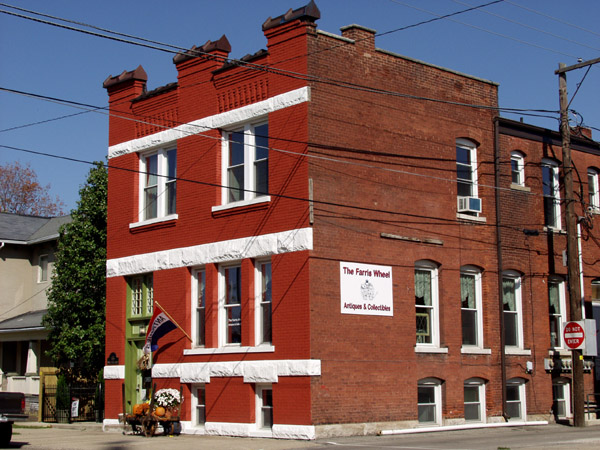
Dr. Kalbfleish was born in St. Louis, being of German parentage. When he took up the study of medicine he abandoned the lifework which had been marked out for him previously, which destined him for the profession of minister in the Lutheran church. Following a year's post-graduate work in Chicago, Dr. Kalbfleisch located at Peru, and this has been his permanent residence ever since. In 1900 he erected his Sanitarium in this city, which was designed in the first place to accommodate his own large private practice. This is a two story brick building 78x26 in ground dimensions, and is equipped with the most modern appliances and conveniences for sanitarium and hospital practice. Immediately upon its completion, Dr. Kalbfleisch extended the use of his building to other members of the profession and thus to a large degree it has served the purposes of a general hospital. Though he is a graduate of the Hahnemann School of Medicine, he is not dogmatic in his devotion to the principles of homeopathy, and practices any system that offers the best results for the individual patient.
Note: When I was small Dr. Barnett had his practice in this building In 2006, it is now called the
Farris Wheel--an antique store.
Tuesday, November 28, 2006
Richard H. Cole
Richard Cole, of the Miami County Sentinel and one of the proprietors of the Cole Block, was born in this city, Nov. 26, 1853: son of Hon. Alphonso and Sarah (Henton) Cole, and is of English extraction. His father was born near Oberlin, Ohio in 1818. He came to Miami County in 1834. By occupation he was a lawyer and one of the early member of the Miami County Bar. In 1847 and '48 and '50, he represented this county in the Indiana Legislature. He was one of the early prominent men of this county. His death occurred in 1862. Our subject is the elder of two living children. After graduating at Peru High School, he was a student for two years at the University of Illinois. In 1876 he was elected Surveyor of Miami County, and in 1881 was elected City Engineer of Peru. In 1879 he purchased a half interest in the Miami County Sentinel, and with which he is now connected. In politics he is a Democrat. He was married in 1882 to Miss Belle Talbot, of this city, born in 1860. Mr. Cole is a representative of one of the early families of this county.
Saturday, November 25, 2006
Saloon Incident
1905--A man from Wabash came to Peru Saturday evening and proceeded to the saloon near the steel mill where the bar-keeper seriously disfigured the visitor's face with the use of a beer bottle. The saloon-keeper claimed that the Wabash man had been too familiar with his wife. The injured man went to the office of Dr. Malsbury where he had his wounds dressed.
So much for a Saturday night beer!
So much for a Saturday night beer!
Thursday, November 23, 2006
Count Your Blessings

To all Peru Then and Now readers best wishes for a Happy Thanksgiving!
1885--Rev. L.P Marshall--If we turn unto the Lord, and consider his ways, and walk therein, we shall find peace and safety.The true reason for our thanksgiving will be found therefore along the path that indicates the presence of God's Spirit among us.
Count your blessings one by one and have a wonderful day!
Wednesday, November 22, 2006
Fox Hunt
1905-- There will be a fox drive given by the farmers in the vicinity of Paw Paw next Saturday. The ladies'aid society of the Paw Paw church will serve a dinner and there will be amusements of all kinds to interest those who attend. These gatherings are good things in so much as they bring the farmers together to enjoy a day at a season of the year when not busy. A number of Peruvians will doubtless join in the chase. --Tally Ho!!
Monday, November 20, 2006
South Peru School
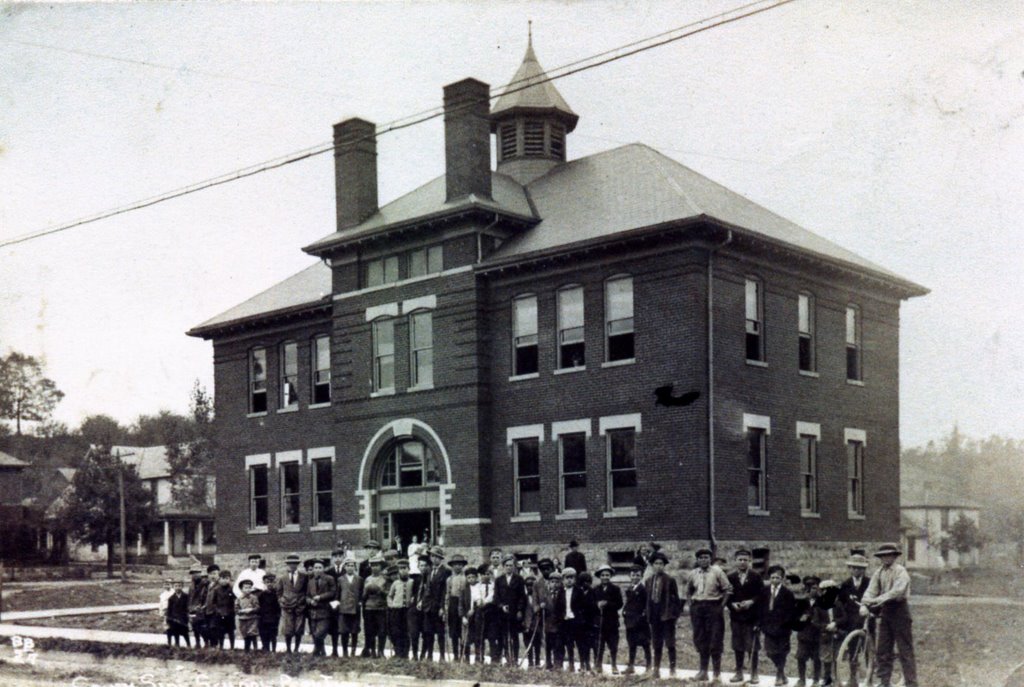
1900- The town fathers conducted a meeting in 1900 to build a four room brick school with a furnace in the hole in the basement. There were two rooms up, two rooms down, oil lamps, a pump in the basement where each child could pump his or her own water. All eight grades were to be taught here. Outside facilities were the order of the day. Parents brought their children to school in horse and carriage or by horseback. The South Peru community grew with the times. The school built inside facilities, a basement underneath the whole building was dug out and an auditorium was built. A kitchen, a storage and furnace room was also built. Gas lights and water fountains were installed by the end of World War I in 1919. By the end of the Second World War, the school had electric lights, two globes for each room, radios for each room, a large phonograph for the building and the school lawn landscaped with grass in front, rather than a mud hole.
During the Korean War indirect lighting was added, shades and electric clocks were installed. A small inside bell was used through the 1950's. The South Peru School became so crowded that plans were made to build a new school overlooking the park. November 17, 1957, the cornerstone was laid for the new school. In 2006, a grocery store has replaced the old South Peru School.
Saturday, November 18, 2006
Goat Antics
Kokomo Tribune-1870 A goat owned by an Irishman in Peru ate up $70. in greenbacks. The owner gave him a pounding and a bottle of castor oil, but he did not get his money back. That was a dead loss.
Whoever goes to Sam Stern & Co.'s Grocery, east side of the square, for eatables gets his money's worth and no mistake. No dead loss about that but a big gain. Try it.
Thursday, November 16, 2006
Canning Factory

1905--The canning factory in Peru is an assured fact. We hear that the farmers in this vicinity have agreed to raise the required acreage of sweet corn and some of our enterprising capitalists have put all the money into the concern necessary to make it a certainty and a success.
note: the picture is of the Stokely Van Camp canning factory in Oakdale.
Monday, November 13, 2006

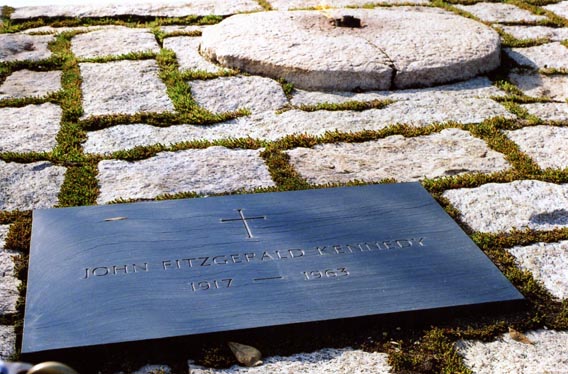
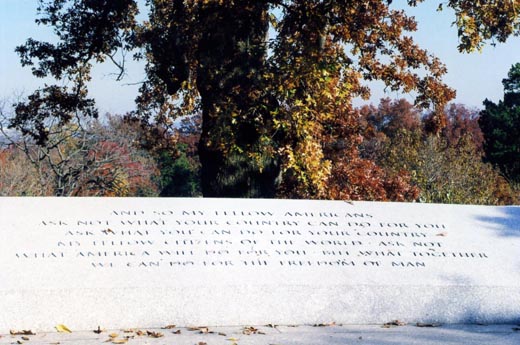
Photos from Washington

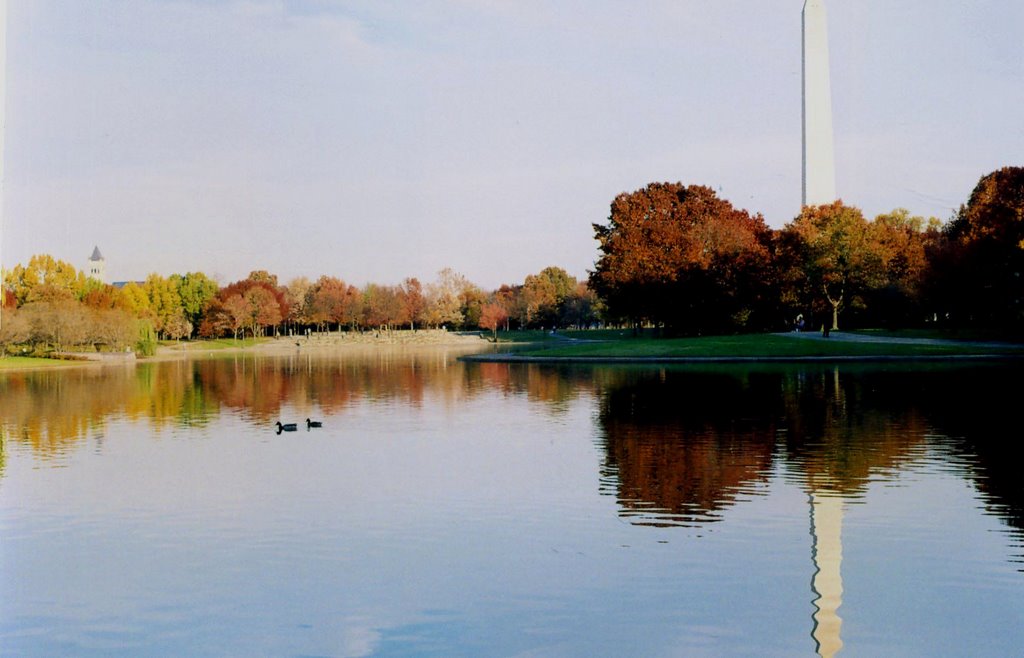
Have been in Washington&Maryland the past five days to welcome a new great grand-daughter into the world. She is a little bundle of rosy cheeks and very blue eyes. We spent time in Washington sightseeing, being surrounded by veterans of the many wars. When you arrive at Arlington it is overwhelming to see all the polished white stones--row after row--and then you realize that they were someone's father, brother, or son. While at the Vietnam Wall there were thousands of people looking for the names of their loved ones. Michael Miller and Thomas Grimes from Peru are names we found. I was watching some of the people while there--I observed a young man--confined to a wheelchair with no legs--a casualty of Iraq. A WWII veteran walked up to the young man shook his hand, thanked him for his sacrifice, and then gave him a hug. I brushed away a tear. I wish nations could put their differences aside and live in peace. I don't want to see my great granddaughter grow up in a world of turmoil.
Tuesday, November 07, 2006
Central School

Before the early 1860's opportunity for education was limited. Funds became available through the state so the city took advantage of the opportunity for free schools. In 1860 Central School building was erected on the corner of West Sixth and Miami streets at a cost of $15,000.The most memorable fact with the opening of the school was that it was on the same day that Abraham Lincoln was inaugurated President of the United States.
Central School was abandoned when the city leased a building at the corner of Broadway and West Sixth Street. The abandoned building was demolished in 1910 to make way for the new Peru High School.
Saturday, November 04, 2006
SQ Mascot
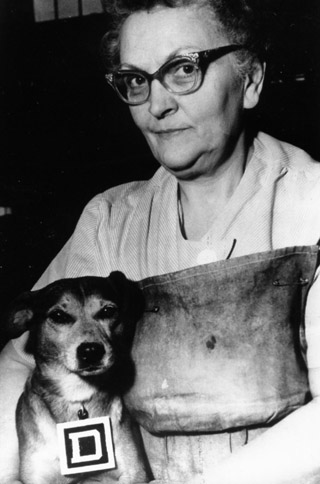
Mrs. Jesse Steiner worked at Sq D Peru for 21 years. Jesse had a dog by the name of Brownie who would follow her to work everyday. She let Brownie watch her punch in and out and the dog would hang around all day waiting for her to leave work. Jesse left the Peru Plant due to ill health in 1949. Brownie continued coming to the plant everyday. Just before 7 a.m. he would be at the time clock, at the noon buzzer, and at quitting time. Workers at the plant believed you could set your watch by him.
The Peru Oldtimers decided that Brownie should be rewarded for his faithfulness. So, adding his mistress' service of twenty-one years--to Brownies four--they bestowed a twenty-five year pin to Brownie. What kind of dog was Brownie?? I believe they call it a heinz 57.
SQ D- Schneider Electric

Sq D Peru, was the recipient of IndustryWeek Best Plant 2006. The criteria for winning an award of this caliber is based on inventory management, high regard for safety, productivity, and serving the customer. Over two hundred industries were nominated for this award. Of the top ten, three were from Indiana. In 2005 the Peru Plant acheived a 97% on-time delivery.
Sq D started in Peru in 1920 making porcelain bases for safety switches. Through the years many changes have been made to better serve their customers.
Of a personal note: I retired in 2005 after working twenty-six years. The job provided a good living, many challenges, an appreciation for safety, and fellow workers who became friends. Congratulations to all who made this award possible!!
Thursday, November 02, 2006
Boston Store
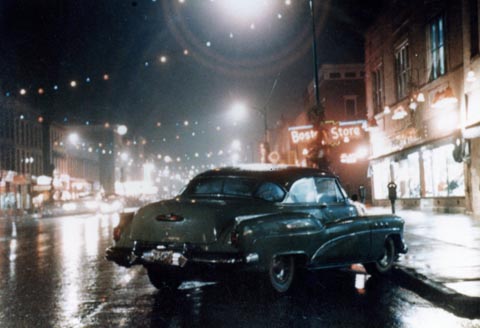
1905--This celebration devoid of fuss or flourish, will focus the attention of all the people of Peru and Miami County. We invite you to participate in this important event. Come in to our store with the welcome and freedom of old friends.
Our mission is broad, our aims will constantly be bent toward the best service to the public, and satisfaction to all.
We have leased the Sullivan Building at No. 59 N. Broadway for several years, and with your help we will try to make this store the people's most popular trading place in Peru. We will carry a full line of Dry Goods, Millinery, Ladies' Furnishings, Queensware, and a full line of Household goods.
The Boston store was later moved to South Broadway where the Post Office stands now-2006.
Subscribe to:
Posts (Atom)